July 17, 2026
Siding services offer a transformative impact on a home's exterior, making them a pivotal choice for homeowners aiming to boost property value. Enhancing curb appeal is crucial as the exterior serves as a potential buyer's first impression. Alongside its aesthetic advantages, siding plays a significant role in energy efficiency, helping to reduce utility costs. Additionally, competitive market conditions demand a well-maintained exterior that can make a property stand out. Overall, investing in siding services is a strategic move that aligns with both the visual and functional demands of modern homeowners.
Enhancing Curb Appeal
The importance of first impressions
The curb appeal of a home sets the stage for the overall perception of the property. A well-maintained exterior indicates pride in ownership, assuring potential buyers of the care given to the home. First impressions matter significantly in real estate, and a home's siding is a primary visual element that can captivate or deter prospective buyers. Enhancements in siding can dramatically alter the look of a home, making the investment not just important but essential. Ultimately, a striking first impression contributes to a home's perceived value and desirability.
Variety of siding materials and styles
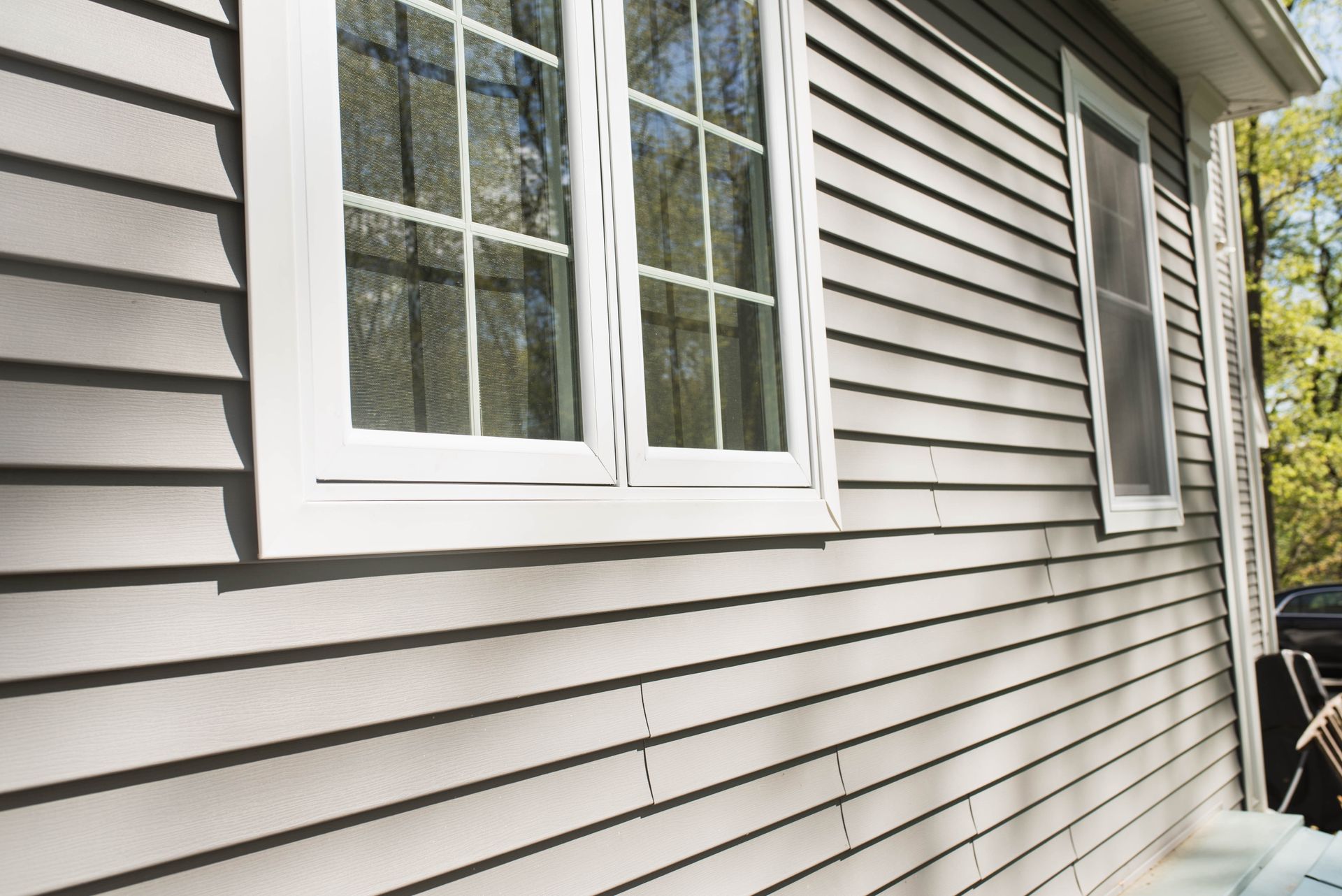
Homeowners today have a wide array of siding materials and styles to choose from. Options include traditional wood, durable vinyl, modern fiber cement, and sleek metal, each offering unique aesthetics and benefits. The variety allows homeowners to select a style that complements their home's architectural design, ensuring that the siding enhances rather than detracts from the overall look. These materials come with their own set of advantages, ranging from cost-effectiveness to ease of maintenance. Consequently, the diversity in siding options empowers homeowners to achieve the perfect balance of style and functionality.
Color coordination and personalization
Color plays a pivotal role in personalizing a home's exterior through siding. Homeowners can select from a limitless palette to reflect their personal style or to harmonize with the surrounding environment. Tasteful color choices can either make a bold statement or create a subtle, cohesive look for the neighborhood. Personalized color coordination is more than just aesthetics; it can stimulate positive emotional responses from onlookers. As a result, the ability to customize siding colors enables homeowners to uniquely brand their property, potentially attracting more interest from buyers.
Improving Energy Efficiency
Insulating properties of modern siding
Modern siding materials often come with added insulating properties that significantly improve a home's thermal efficiency. Siding acts as a barrier to the elements, adding a layer that helps maintain stable temperatures within the home. This is particularly beneficial during extreme weather conditions, keeping homes cooler in the summer and warmer in the winter. Effective insulation through siding not only enhances comfort but also reduces reliance on HVAC systems, leading to lower energy bills. Consequently, upgrading siding is a sustainable choice with both financial and environmental benefits.
Impact on heating and cooling costs
By improving insulation, siding has a direct impact on reducing heating and cooling costs. High-quality siding minimizes heat loss during the winter months and prevents heat gain during summer. This efficiency translates into tangible savings on energy expenses, offering homeowners ongoing financial relief. Such improvements in energy efficiency are not just cost-effective; they also appeal to environmentally conscious buyers. The reduced need for artificial heating and cooling ultimately leads to a smaller carbon footprint, underpinning the importance of modern siding in eco-friendly living.
Environmental benefits of energy-efficient materials
Energy-efficient siding materials contribute significantly to environmental sustainability. By optimizing a home's energy performance, these materials help decrease the total energy demand, making a positive impact on the environment. Many modern siding options are also manufactured from recycled materials or are recyclable themselves, further reducing environmental impact. Additionally, energy-efficient siding options may qualify for tax rebates and incentives, lessening the financial burden on homeowners. Consequently, choosing eco-friendly siding solutions is an investment not only in property value but also in the planet's future.
Protection Against Weather Elements
Durability against rain, snow, and wind
Siding serves as the first line of defense against rain, snow, and wind, guarding the structure of a home against the elements. High-quality siding resists water infiltration, preventing damage such as leaks and decay. In regions prone to harsh weather conditions, investing in durable siding is essential to ensure the longevity of a property. Additionally, siding options like fiber cement and high-density vinyl are specifically engineered to withstand such challenges. Consequently, robust siding is not only a protective measure but also enhances a home's resilience against the vagaries of nature.
Resistance to UV damage
Ultraviolet (UV) rays from the sun can gradually break down exterior surfaces, leading to fading, brittleness, and structural weaknesses. The right siding materials offer UV resistance, preserving the home's exterior appearance over time. This UV protection is vital for maintaining the home's aesthetic appeal and structural integrity, even in sun-intensive climates. With materials such as specially treated vinyl or paints with UV inhibitors, homeowners can ensure their property remains vibrant and attractive year-round. Therefore, investing in UV-resistant siding contributes to the long-term preservation of the home's exterior.
Prevention of mold and mildew
Mold and mildew can have damaging effects on both the health and appearance of a home. Effective siding not only repels water but can also include antimicrobial treatments that hinder mold and mildew growth. By creating a barrier against water intrusion, siding minimizes the conditions necessary for mold development. This precaution is particularly important in humid or rainy climates where such growth would otherwise be challenging. As such, choosing materials with mold prevention capabilities is a proactive step in safeguarding both property and occupants.
Reducing Maintenance and Repair Costs
Low-maintenance siding options
Siding materials have evolved to offer low-maintenance solutions that save homeowners time and effort. Options like vinyl and fiber cement require minimal upkeep while retaining their appearance and functionality. Unlike traditional wood siding, which demands regular painting and sealing, these materials only need occasional cleaning. This ease of maintenance translates into reduced maintenance costs over the lifespan of the siding. Consequently, low-maintenance siding provides significant value for homeowners who wish to maximize convenience without sacrificing quality.
Long-term savings versus upfront costs
While some siding materials may seem costly initially, their long-term cost benefits can be substantial. Durable, low-maintenance options reduce the need for frequent repairs and replacements, resulting in cumulative savings over time. By investing upfront in quality, homeowners can mitigate ongoing maintenance expenses, yielding a favorable return on investment. According to HomeGuide, replacing old siding provides a return on investment (ROI) of 75% to 85% on average, depending on the material. This statistic highlights how strategic siding investments balance upfront costs with long-term economic advantages.
Comparison of siding materials in terms of maintenance
Not all siding materials require the same level of maintenance, and understanding these differences is crucial for informed decision-making. Vinyl siding, for example, is popular for its negligible maintenance needs and durability. Wood, while aesthetically pleasing, demands significant upkeep in the form of painting and sealing to prevent decay. On the other hand, fiber cement offers a balance, boasting wood-like aesthetics with less intensive care requirements. Ultimately, selecting siding based on individual maintenance tolerance ensures a sustainable and satisfactory home improvement choice.
In conclusion, siding services offer a multifaceted benefit that is crucial for increasing a home's value. From enhancing curb appeal to improving energy efficiency and reducing maintenance costs, siding is a key investment that yields substantial returns. As modern buyers increasingly seek homes that are visually appealing, energy-efficient, and easy to maintain, upgrading siding becomes an invaluable strategy for homeowners. Encouraged by these benefits, homeowners should prioritize siding improvements when considering home enhancements. This focus not only positions the property competitively in the market but also reinforces its long-term value and appeal. Be sure to reach out to Action Roofing & Siding LLC today to learn more about our professional siding services!