October 15, 2026
Your home's siding helps protect it from heavy rain, strong winds, hail, and changing temperatures. Over time, sunlight and harsh weather can cause cracks, fading, and other damage. Keeping your siding in good condition helps protect your home's structure, maintain indoor comfort, and prevent costly repairs.
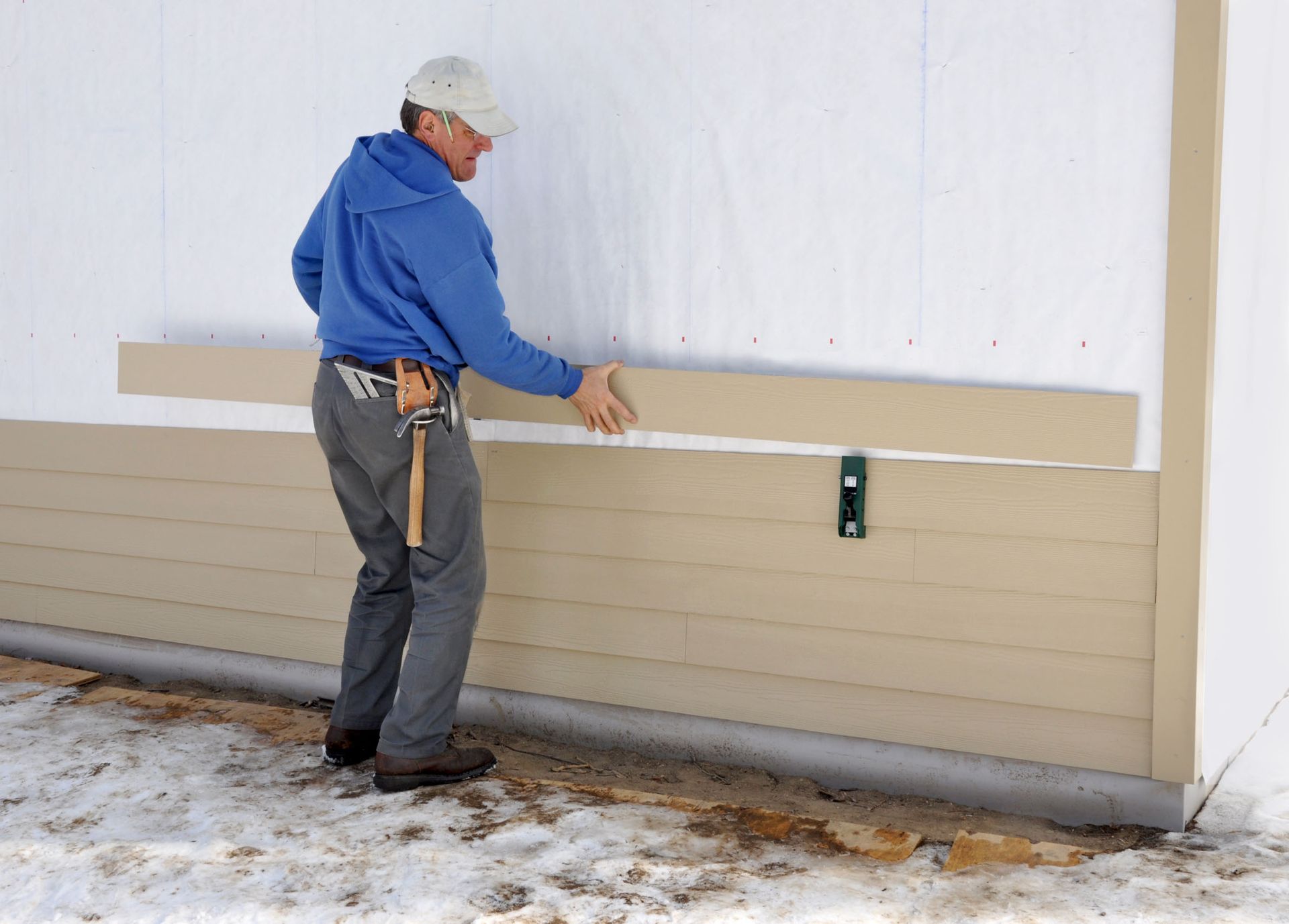
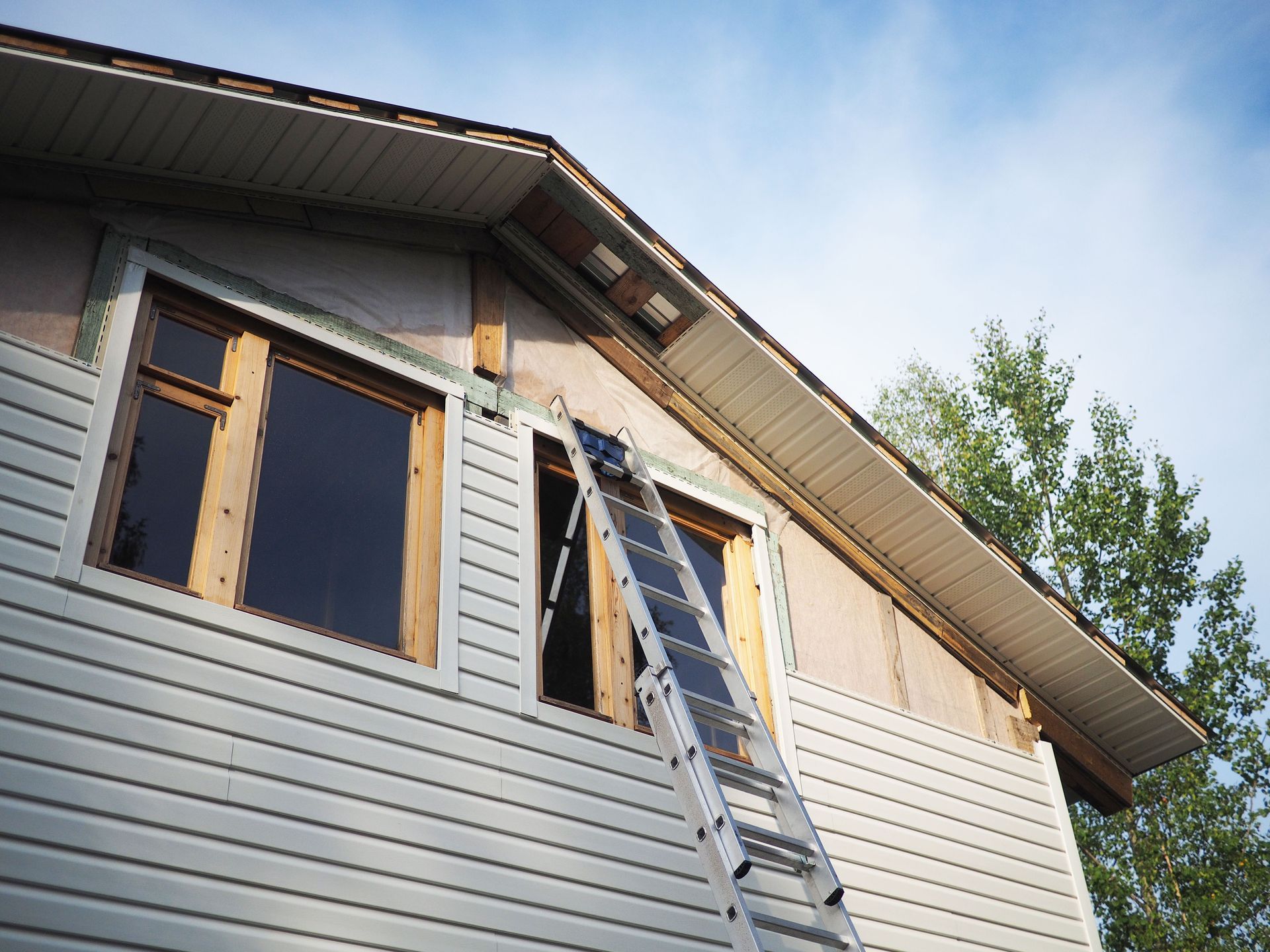
Regular maintenance helps your siding continue to perform as intended. Working with an experienced installation team gives you access to quality materials and proper installation. Damaged or poorly installed siding can also allow outside air and moisture to enter through gaps, making it harder to maintain comfortable indoor temperatures and potentially increasing energy costs. Addressing these issues early helps protect your home and improve its overall efficiency.
Creating a Barrier Against Water
Heavy rain can cause serious problems when water gets behind your home's siding. Moisture can damage wood framing, drywall, and insulation, leading to mold, mildew, and wood rot. Professional siding services help seal gaps and protect these vulnerable areas from water. Keeping moisture out helps maintain your home's condition and reduces the risk of expensive repairs.
Many types of siding are designed to direct rainwater away from your home's walls and foundation. Proper installation helps these materials work as intended. Our team also installs weather-resistant barriers beneath the siding to provide an extra layer of protection against moisture. These added precautions help keep your home dry during periods of heavy rainfall.
Water damage does not always appear right away. Moisture can collect behind siding for weeks or months before stains, peeling paint, or musty odors become noticeable indoors. By the time these signs appear, parts of the wall may already need repairs. Having damaged siding inspected promptly can help identify potential entry points and limit the spread of moisture before it causes more serious problems.
Protecting Against Hail and Flying Debris
Severe storms can bring hail, strong winds, and flying branches that damage your home's exterior. Some siding materials can crack, dent, or break when hit by heavy objects. Professional siding services can help you choose durable materials designed to withstand impacts and reduce the risk of damage. Stronger siding can help prevent small cracks and holes from becoming larger problems.
Manufacturers offer several siding options made from durable materials that can better handle harsh weather. Some products are designed to resist damage from hail and flying debris. Our team can help you choose siding that fits your home's needs and the weather conditions common in your area. The right materials can help protect your exterior and reduce the chance of storm damage.
After a major storm, it is important to look for signs of siding damage. Loose panels, visible cracks, dents, and missing pieces can leave the walls beneath exposed to rain and wind. Even damage that seems minor may affect how well your siding protects the house. A professional inspection can help determine whether repairs are enough or if certain sections need to be replaced.
Maintaining Your Home's Structure
Your home's walls and wooden framing can suffer damage when exposed to moisture and extreme temperatures. Changes in temperature can cause building materials to expand and contract over time. Properly installed siding helps protect the walls from these conditions and can reduce temperature changes inside wall cavities. This added protection helps preserve the materials that support your home's structure.
Damaged siding can also allow water to reach the wood beneath it. When that moisture freezes and thaws, it can cause the wood to crack or weaken. Keeping your siding in good condition helps limit moisture exposure and protects the materials behind your exterior walls. Regular inspections and timely repairs can help prevent minor issues from developing into more serious structural problems.
Protecting the structure of your home can also help prevent problems with other parts of the exterior. Moisture that enters through damaged siding may affect window frames, exterior trim, and nearby building materials. Over time, these issues can lead to additional repair costs. Maintaining the siding and addressing problem areas early helps protect the surrounding materials and keeps the exterior in better condition.
Knowing When to Replace Your Siding
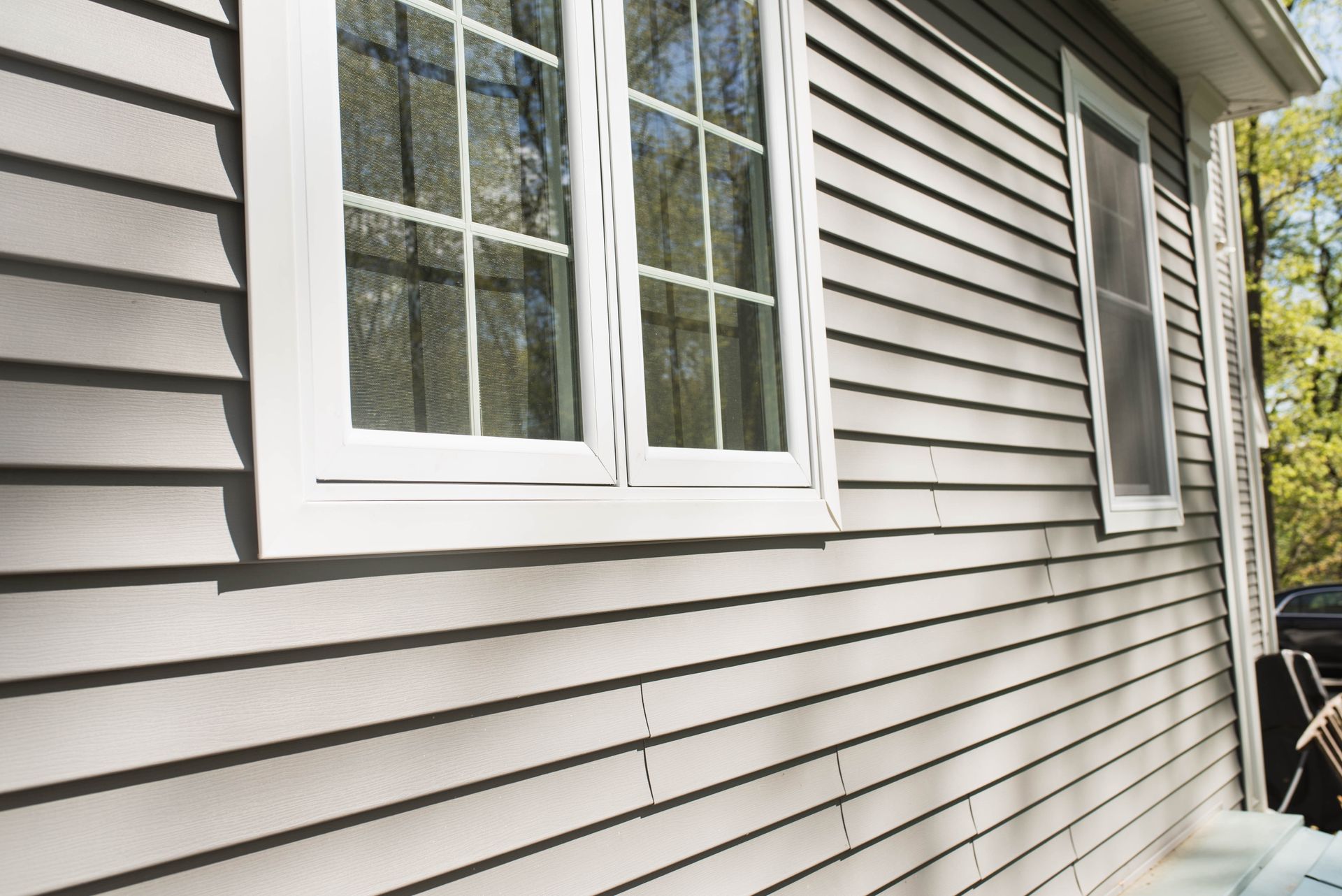
Siding can show signs of wear long before major damage becomes visible inside your home. Faded colors, peeling paint, warped boards, and chalky surfaces may indicate that your siding needs attention. Scheduling professional siding services allows an experienced team to check for visible damage and identify potential problems beneath the surface. Addressing these warning signs early can help reduce the need for more extensive repairs later.
The cost of siding repairs and replacement is another factor to consider. According to HomeGuide, replacing siding costs more than repairing it, but it boosts curb appeal, lowers energy bills, extends home longevity, and yields a 60% to 80% ROI. If your siding has widespread damage or is nearing the end of its useful life, replacement may be a better long-term option than repeated repairs. A professional assessment can help you determine which approach makes the most sense for your home and budget.
You should also consider how often your siding needs attention. If panels keep coming loose, cracks continue to appear, or moisture problems return after repairs, the existing materials may no longer provide adequate protection. While replacing siding requires a larger upfront investment, it may reduce the need for ongoing repairs. Comparing the condition of your current siding with the cost of replacement can help you make a practical decision.
Improving Your Home's Appearance and Value
New siding can make your home look cleaner, more modern, and better maintained. A well-kept exterior can also make a positive impression on potential buyers. Professional siding services can improve your home's appearance while adding another layer of protection against the weather. These benefits can make siding replacement a worthwhile investment for homeowners planning to stay in their homes or sell in the future.
Today's siding options come in many colors, styles, and textures to suit different homes. Some materials even resemble natural wood without requiring as much maintenance. Our team can help you choose an option that complements your home's design and fits your preferences. Updating your siding can refresh an older exterior while providing the durability needed to handle everyday weather conditions.
Choosing a siding style that works with your roof, windows, and exterior trim can also create a more consistent appearance. Lighter colors may give your home a fresh look, while darker shades can create a more modern feel. Different textures can add visual interest without requiring major changes to the rest of the property. With several options available, homeowners can update their exterior while keeping the overall design in mind.
Protecting Your Home for Years to Come
Severe weather can cause costly problems when your home's exterior is damaged. Maintaining or replacing worn siding helps protect against water intrusion and storm damage. Professional siding services provide the materials and proper installation needed to help your home withstand harsh weather.
Our team helps local homeowners protect and improve their properties. Checking your siding before and after major storms can help identify damage before it affects other parts of your home. Whether you need siding repair or complete siding replacement, contact our team at Action Roofing & Siding LLC today to discuss your needs and schedule the right siding services for your home.