September 11, 2026
Choosing and maintaining the right siding can have a significant impact on a home's protection, appearance, and long-term performance. From selecting the appropriate material for the local climate to finding a qualified siding company and understanding the installation process, homeowners have several factors to consider. Proper maintenance and timely repairs are also essential for preserving siding and preventing minor issues from becoming more serious problems.
The Basics of Siding
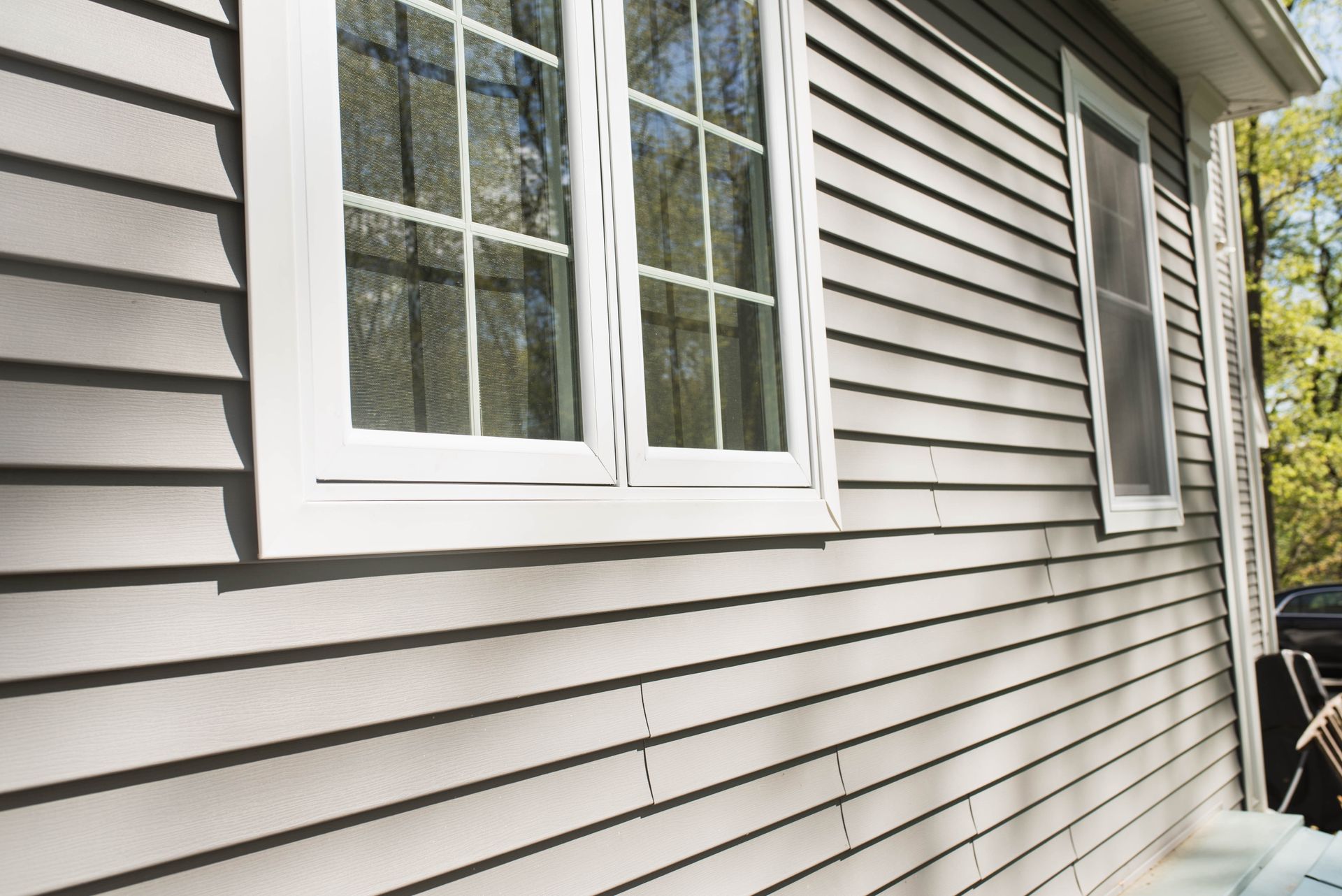
Siding serves as one of the primary layers of protection for a home's exterior. It guards the structural integrity of the building against weather elements such as rain, snow, and sun. Properly installed and maintained siding helps prevent moisture infiltration, which can lead to mold and mildew. Beyond protection, siding plays a critical role in the aesthetic appeal of a house, significantly influencing curb appeal. Beyond aesthetics and protection, siding serves as an important insulator, contributing to the energy efficiency of your home.
Homeowners have a wealth of options when it comes to siding materials. Traditional choices like wood offer timeless beauty and warmth, although they require regular maintenance. Vinyl siding is popular for its affordability and low maintenance requirements, while fiber cement is favored for durability and a more upscale look. For those seeking eco-friendly options, materials such as reclaimed wood or recycled metal siding are available. Each type comes with its own set of advantages and disadvantages, impacting factors like cost, durability, and energy efficiency.
The climate in which you live plays a significant role in determining the best siding material for your home. In hot, humid climates, you might favor mold-resistant materials like fiber cement. In colder regions, insulated vinyl or wood siding can provide an additional layer of warmth. It's important to consult with local experts who understand how specific materials will hold up in your climate. Choosing the right material for your regional climate can save on future maintenance costs and further enhance the siding's durability.
When considering a siding project, it's vital to weigh the costs against the projected value they add to a home. High-quality siding may come with a higher initial price but offers long-term benefits such as durability and less frequent maintenance. Investing in premium siding materials can also increase a home's market value. According to HomeGuide, replacing old siding usually provides a return on investment of about 75% to 85%, depending on the material. This makes siding replacement not only a protective measure but also a financially savvy one.
The Choice Between Siding Companies
Finding the right siding company requires comprehensive research. Start by compiling a list of local companies through online searches and recommendations from friends and family. Review each company's website and social media presence for insights into their services and expertise. Examine portfolios to evaluate the quality of their previous work. Thorough research will aid in narrowing your options to the most qualified candidates for your siding project.
Once you have a list of potential companies, the next step is evaluating their credentials. Ensure the company holds all necessary licenses and certifications for conducting siding work in your area. Membership in professional organizations like the National Association of the Remodeling Industry (NARI) can be a good indicator of credibility. Don't hesitate to ask for proof of insurance for liability and workers' compensation. These credentials guarantee that the company adheres to industry standards and can be reliable partners in your siding project.
Customer feedback provides valuable insights into the trustworthiness and quality of service a siding company provides. Online platforms like Yelp, Google Reviews, and the Better Business Bureau can be good starting points for gathering customer testimonials. Look for patterns in reviews—multiple complaints about the same issue might indicate a chronic problem. Conversely, consistently positive feedback about professionalism and quality of work can signal a reliable provider. A company's reputation is often built on its ability to satisfy customers, making reviews an essential part of your research.
After narrowing down your options, request detailed estimates from each company. A comprehensive estimate should include a breakdown of costs for materials, labor, and any additional services. Compare the quotes to understand the specifics of what each company offers. Also, be wary of quotes that are significantly lower or higher than others; this could indicate either subpar materials or unnecessary upcharges. Transparent estimates enable you to make informed decisions aligned with your budget and project goals.
The Installation Process Explained
The siding installation process begins with an initial consultation between the homeowner and the siding company. During this meeting, the homeowner's needs, preferences, and budget are discussed. An expert then conducts a site evaluation, assessing the condition of the existing siding and underlying structure. This evaluation helps identify any potential issues that could affect the new siding's performance. Gathering these insights early on ensures that the project plan addresses any challenges, resulting in an efficient installation process.
Following the initial consultation and site evaluation, the siding company develops a detailed project plan. This plan outlines the materials used and timeline, along with the project's various phases. The company provides a finalized quote for the customer's approval that includes all costs associated with the installation. It's crucial for homeowners to review this document thoroughly and ask questions to clarify any uncertainties. This planning phase sets the foundation for a smooth, transparent project, ensuring both parties have aligned expectations.
Preparation is key to a successful siding installation. Homeowners should clear the installation area of obstacles, such as patio furniture and garden decorations, to give workers easy access to the exterior walls. Plants and shrubs adjacent to the house might need temporary relocation or protection. Closing windows and doors prevents dust and debris from entering the home. Proper preparation facilitates an efficient installation process, allowing the project to proceed without unnecessary interruptions.
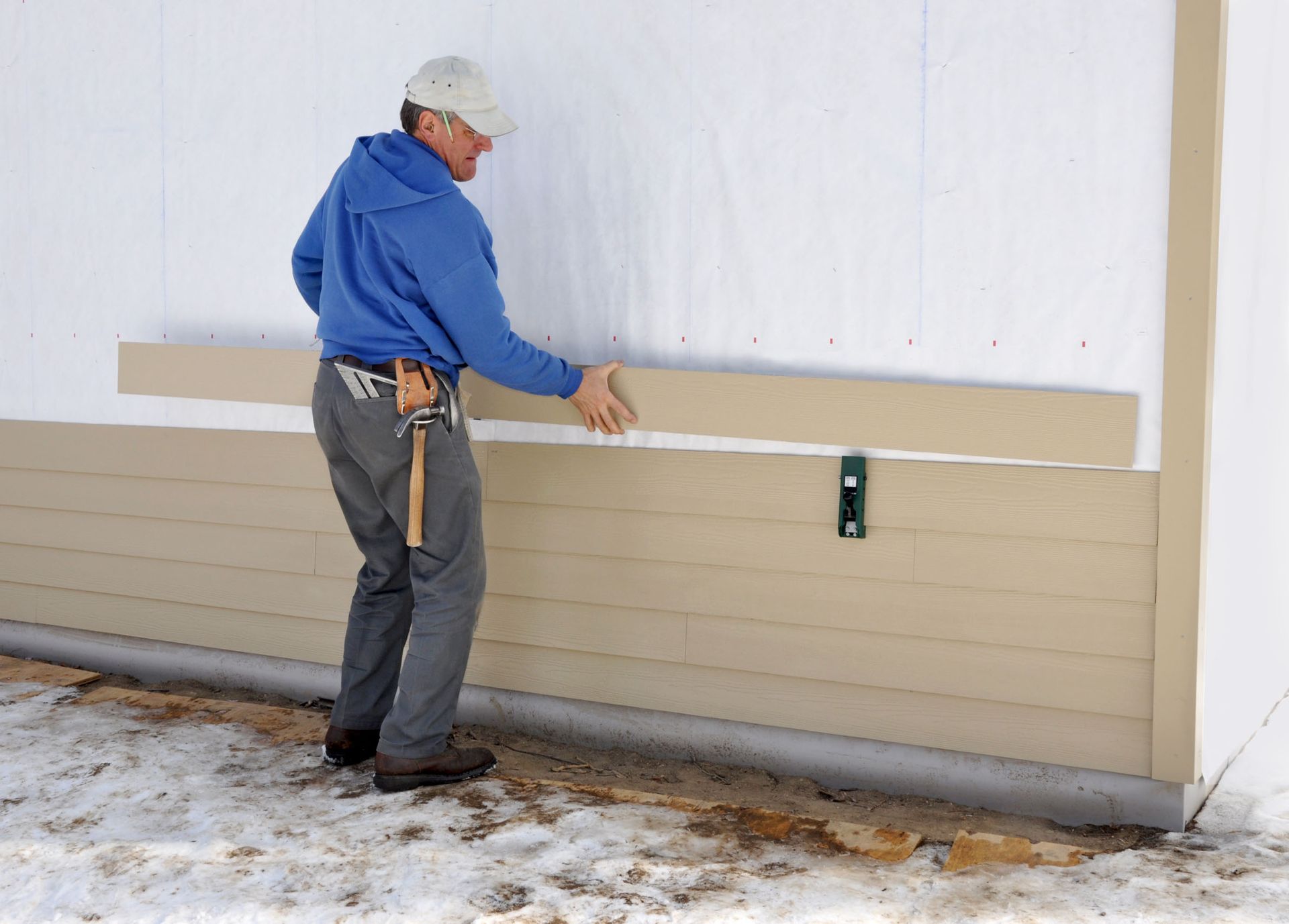
The installation process involves several systematic steps, ensuring the siding is correctly applied and durable. First, old siding is removed, and the underlying structure is inspected for damage. Necessary repairs are made before applying a weather-resistant barrier, providing additional protection against the elements. Next, the new siding panels are carefully attached, ensuring seams are adequately sealed to prevent moisture penetration. Finally, the installation team affixes trim, soffits, and fascia, completing the exterior transformation.
Maintenance Tips for Longevity
Maintaining siding's appearance and functionality involves regular cleaning and inspections. Dirt and debris accumulation can be removed using a soft-bristle brush and mild detergent. Inspections should focus on identifying early signs of damage, such as cracks or loose panels. Transparent weather caulking can be reapplied to maintain tight seams and prevent moisture intrusion. Consistent cleaning and inspection routines help prolong the siding's lifespan and enhance its performance.
Minor damage, if left unchecked, can escalate into costly repairs. Identifying early signs of damage such as tiny cracks, dents, or warps can prevent more serious issues. Immediate repairs might include resealing seams with caulk or replacing damaged panels to prevent further degradation. DIY solutions exist for minor issues, but significant repairs often require professional services. Promptly addressing minor damage ensures the longevity and integrity of the siding.
Seasonal changes impact siding differently, making seasonal maintenance critical. In spring, inspect for winter damage like warping or mold growth, and remove accumulated debris. During summer, focus on washing the siding to prevent pollen stains and protecting it from UV damage. Fall demands checks for loose panels before the onset of winter, ensuring the siding is secure against harsh conditions. Customizing maintenance tasks for each season keeps the siding in optimal condition year-round.
Siding is an important part of a home's exterior, protecting from the elements while contributing to its appearance and energy efficiency. By selecting suitable materials, working with a qualified siding company, understanding the installation process, and following regular maintenance practices, homeowners can help keep their siding in good condition and extend its useful life. For an experienced
siding company you can rely on, contact Action Roofing & Siding LLC today.