May 12, 2026
In this article, we explore the various factors that influence the durability and performance of metal roofs, providing a comprehensive guide to understanding their lifespan. Metal roofs are increasingly popular due to their long-lasting nature and sustainability. Understanding the intricate details of metal roofing can help homeowners make informed decisions. With advancements in technology and materials, metal roofing systems have evolved significantly over the years. This article delves into how a professional roofing service evaluates the key aspects that determine the longevity and effectiveness of metal roofs.
Types of Metal Roofing Materials
The choice of material plays a crucial role in the durability of a metal roof. Steel roofing is one of the most common options due to its strength and ability to withstand harsh weather conditions. Aluminum roofing is lightweight and resistant to corrosion, making it ideal for coastal areas. Copper roofing, though more expensive, offers unmatched durability and a unique aesthetic appeal. Zinc roofing is known for its self-healing properties and longevity, while tin roofing, though less common today, is still valued for its affordability.
Each type of metal roofing material has its own set of pros and cons. Steel, for example, is prone to rust if not properly coated, whereas aluminum is more resistant to oxidation. Copper develops a patina over time, which can either be a desired feature or a drawback depending on aesthetic preferences. Zinc is environmentally friendly and offers a long lifespan, often exceeding 100 years. Tin, on the other hand, is light and easy to work with but may not provide the same level of durability as other materials.
The longevity of a metal roof is often directly tied to the quality of the material used. According to industry experts, metal roofing can last 50 to 75 years, making it a cost-effective long-term investment. The choice between steel, aluminum, copper, zinc, and tin will depend on factors such as budget, climate, and personal preference. Homeowners should consider not only the initial cost but also the maintenance and potential repair costs associated with each material. Ultimately, a qualified roofing service can ensure the right material is selected to greatly enhance the lifespan and performance of a metal roof.
Protective Coatings and Finishes
Protective coatings and finishes are essential for prolonging the life of a metal roof. Galvanization is a common technique used to coat steel with a layer of zinc, protecting against rust and corrosion. This process significantly extends the lifespan of steel roofing materials. Paints and color options not only enhance the aesthetic appeal of metal roofs but also offer an additional layer of protection against environmental elements. Anodizing techniques, primarily used for aluminum roofs, increase resistance to wear and corrosion.
Powder coating is another effective method for protecting metal roofs. It involves applying a dry powder to the surface, which is then heated to form a protective layer. This coating is highly durable and resistant to chipping, scratching, and fading. Anti-corrosion treatments are crucial, especially in areas with high humidity or salinity. These treatments help prevent the formation of rust and extend the overall lifespan of the roof. Investing in high-quality coatings and finishes during a professional roofing service can result in significant long-term savings on maintenance and repairs.
Installation Techniques
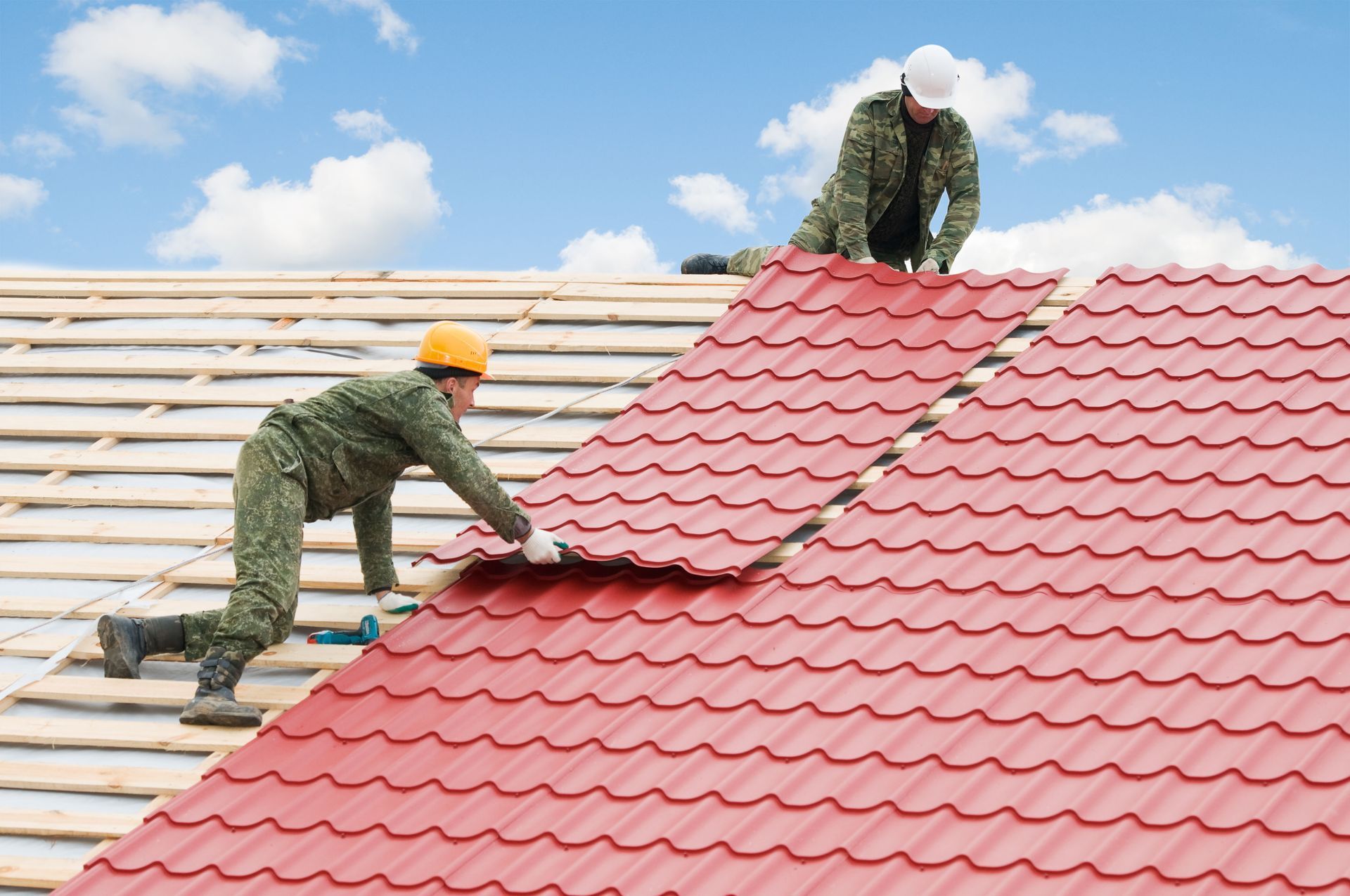
Proper installation techniques are vital to the performance and longevity of a metal roof. Underlayment options, such as synthetic or felt materials, provide a crucial barrier against moisture and leaks. They also offer additional insulation, contributing to the energy efficiency of the building. Fastening methods, including screws and clips, must be carefully selected to withstand the specific load and stress conditions of the roof. Panel alignment is critical in ensuring a seamless and watertight installation.
Sealing and insulation are key components of a successful metal roof installation. High-quality sealants prevent moisture infiltration and protect against wind uplift. Proper insulation not only enhances the energy efficiency of the building but also reduces noise levels. Ventilation considerations are essential to prevent heat buildup and condensation issues. Adequate ventilation systems, often checked during a routine roofing service, help maintain a stable indoor climate and extend the life of the roofing materials.
Climate and Environmental Impacts
Climate and environmental factors have a significant impact on the durability of metal roofs. Temperature fluctuations can cause metal to expand and contract, potentially leading to material fatigue over time. This is especially true in regions with extreme temperature variations. Humidity and precipitation levels also affect the lifespan of metal roofs. High humidity can accelerate corrosion, while excessive rainfall may lead to water pooling and leaks.
UV radiation is another environmental factor that can degrade metal roofing materials. Prolonged exposure to sunlight can cause paint and finishes to fade, reducing the aesthetic appeal of the roof. Wind and storm resistance are critical considerations in areas prone to severe weather events. Metal roofs are generally designed to withstand high winds, but proper installation and maintenance are crucial to ensuring their effectiveness. Salinity and coastal conditions can accelerate corrosion, making anti-corrosion treatments essential for metal roofs in these areas.
Maintenance and Care Practices
Regular maintenance and care practices are essential for maximizing the lifespan of a metal roof. Conducting regular inspections helps identify potential issues early, preventing minor problems from escalating into costly repairs. Inspecting the roof for signs of damage, such as loose fasteners or deteriorated coatings, is a core part of a comprehensive roofing service. Cleaning and debris removal are important tasks to prevent clogged gutters and water accumulation. Removing leaves, branches, and other debris ensures proper drainage and reduces the risk of leaks.
Repairing damage promptly is key to preventing further deterioration of the roof. Addressing issues such as rust spots or damaged panels can extend the overall lifespan of the roofing system. Recoating and refinishing the roof at regular intervals is an effective way to maintain its appearance and protective qualities. Applying fresh coats of paint or sealant not only enhances the aesthetic appeal but also provides an additional layer of protection against environmental elements. Longevity enhancements, such as installing additional insulation or ventilation systems, can further improve the performance of a metal roof.
Advances in Metal Roofing Technology
Advancements in metal roofing technology have led to innovative solutions that enhance the performance and longevity of roofing systems. Smart roofing systems, equipped with sensors and monitoring devices, provide real-time data on roof conditions and performance. These systems enable homeowners to detect issues early and take proactive measures to address them. Energy efficiency enhancements, such as reflective coatings and integrated solar panels, contribute to reducing energy consumption and lowering utility costs. Sustainable material innovations focus on using recycled and eco-friendly materials to minimize environmental impact.
Noise reduction technologies have been developed to address the common concern of noise associated with metal roofs. Advanced insulation materials and specialized underlayment options significantly reduce noise levels, providing a quieter indoor environment. Fire resistance improvements have also been a focus of recent technological advancements. Metal roofs are inherently fire-resistant, but additional treatments and coatings applied by a specialized roofing service can further enhance their fire performance. These advancements provide homeowners with peace of mind and ensure the safety of their property.
Metal roofs offer a durable and long-lasting solution when properly selected, installed, and maintained. By understanding the factors that influence their lifespan, homeowners can make informed decisions to maximize the performance and longevity of their metal roofing systems. Advances in technology and materials continue to enhance the durability and sustainability of metal roofs. With the right combination of materials, protective coatings, installation techniques, and a recurring roofing service, metal roofs can provide reliable protection for decades. Investing in a metal roof is a wise choice for homeowners seeking a long-term roofing solution. For premium protection and expert craftsmanship, contact Action Roofing & Siding LLC today.